After-hours calls cost deals. This guide shows how real estate teams use a 24/7 AI assistant to answer nights and weekends, qualify leads, and sync to CRM without hiring another ISA.

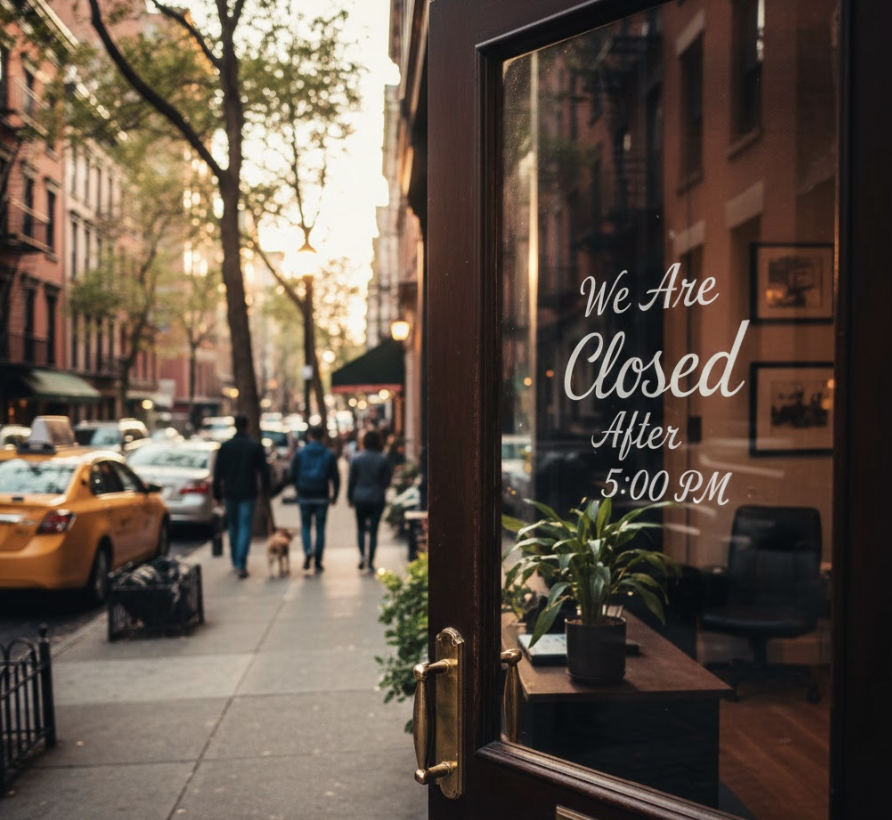
A buyer calls about your listing at 9:47 PM. You are at dinner, in a showing, or finally offline after a twelve-hour day. The call goes to voicemail. By morning, they have already toured with another agent.
That is not a lead shortage problem. It is a coverage problem.
A 24/7 AI assistant for real estate teams answers when humans cannot: evenings, weekends, overflow spikes, and the minutes between appointments when your phone is your biggest liability. This guide is built for brokers, team leads, and ops managers deciding how to add always-on intake without burning out agents or hiring another full-time ISA.
You will leave with:
A clear picture of when after-hours and overflow calls actually convert
A citeable framework for why speed-to-lead breaks down on real estate teams
A 10-point readiness scorecard before you roll out 24/7 AI coverage
A sample lead journey from first call to CRM handoff
Practical setup steps that keep human agents focused on closings
Real estate demand clusters around life, not office hours.
Buyers browse listings after work. Sellers fill out forms on lunch breaks. Investors call between meetings. Referrals hit your line while you are driving between appointments.
Industry reporting on lead timing consistently finds that a large share of inquiries arrive outside traditional 9-to-5 windows. Zillow Group and NAR-adjacent lead data, summarized across multiple 2025–2026 industry analyses, puts a significant portion of real estate inquiries in evenings and on weekends — often cited around 62% outside standard business hours, with peak volume between 6 PM and 9 PM.
That means teams staffed for daytime front desk coverage are structurally exposed during some of the highest-intent moments in the funnel.
You have heard it before: the first agent to respond often wins the relationship.
Harvard Business Review's research on online sales leads found that firms contacting inquiries within five minutes are dramatically more likely to qualify the lead than firms that wait longer. Real estate industry reporting on the MIT and InsideSales lead response study widely cites that leads contacted within five minutes are far more likely to qualify than leads contacted after 30 minutes.
Phone calls raise the stakes further. Callers who dial from a listing sign or Google Business Profile are usually past browsing. They want a conversation now.
Yet the average real estate agent's response time to a new inquiry remains measured in hours, not minutes. Inman's 2025 Real Estate Technology Survey, cited across 2026 industry roundups, reported an average response time of 917 minutes — over 15 hours — for new lead inquiries.
That gap is not laziness. It is physics:
Agents are in showings, closings, and seller meetings
Overflow hits during open houses and ad campaign spikes
ISAs and front desk staff do not scale to every listing line at once
CRM alerts do not answer phones
A 24/7 AI assistant closes the first-mile gap: instant pickup, structured qualification, and a clean handoff before intent cools.
For the full call-coverage playbook, see our guide to answering service in real estate.
Use this framework in team meetings, SOP docs, or vendor evaluations. Replace example inputs with your market data.
Weekday 9 AM–5 PM: Front desk or agents catch some calls; overflow still hits voicemail during showings
Weekday 6 PM–10 PM: High browse-to-call volume; most teams are offline
Saturday–Sunday mornings: Sign calls and portal follow-ups; minimal staff
Holidays and travel days: Full leakage unless someone is on call
Example framework for team planning. Track your own call logs by hour for accurate inputs.
Teams that win more deals treat the first five minutes as operations, not personality:
Minute 0–1: Caller reaches a live or AI assistant, not voicemail
Minute 1–3: Assistant confirms listing address, buyer or seller intent, and timeline
Minute 3–5: Assistant books a showing, routes a hot seller lead, or sends a structured summary to the assigned agent
If your after-hours setup cannot hit that window, you do not have 24/7 coverage. You have delayed message taking.
Copy this into your team wiki. One point per item. Score 8 or higher before routing every listing line through AI.
Answers in under 30 seconds on nights, weekends, and overflow
Captures property address or MLS ID on buyer calls
Separates buyer, seller, tenant, vendor, and spam into different scripts
Books showings or consults without forcing a cold callback
Routes urgent calls with clear hot-transfer rules
Delivers structured notes your ISA or agent can act on in one read
Syncs to your CRM — e.g., Follow Up Boss — without re-typing
Supports bilingual callers if your market requires it
Filters robocalls and sales pitches before they hit agent phones
Provides recordings or transcripts for quality review
Teams comparing vendors can cross-check this list against our real estate answering service scorecard.
This is not a voicemail greeting with a chatbot skin.
A real estate-focused 24/7 AI assistant sits between lead interest and agent availability. It should:
Answer inbound calls immediately, including simultaneous callers
Qualify buyer and seller intent with property-specific questions
Answer routine questions from your approved listing and office information
Book showings or listing consults based on your calendar rules
Transfer hot calls when a human should break into a meeting
Push structured summaries into your CRM so follow-up starts warm
That is the difference between message taking and deal infrastructure.
For how voice AI protects the human conversation that follows, read voice AI in real estate. For CRM wiring specifics, see AI answering service in real estate.
A buyer calls after seeing a listing online.
Instead of voicemail:
The AI assistant answers instantly
Confirms the property address
Asks about timeline, financing status, and representation
Captures name and phone
Creates or updates the CRM record with source attribution
The assistant handles repeat questions about listings, showing instructions, and office hours. Serious buyers get routed or booked. Casual browsers get logged without burning agent time.
When a lead moves to showing scheduled or offer submitted, humans own the relationship. The assistant steps back except for overflow and after-hours coverage.
Cold leads from two weeks ago are expensive to recover manually. Some teams use AI for structured re-engagement calls — only where compliance and consent rules allow. The goal is to bring qualified interest back into the pipeline, not to spam your database.
24/7 AI assistant fits after-hours, overflow, and repeatable intake. Watch for weak setup that creates a bad caller experience.
Inside sales agent (ISA) fits relationship-heavy qualification and complex seller calls. Watch for limited hours, hiring cost, and inconsistent notes.
Hybrid fits growing teams with mixed call types. Watch for unclear transfer rules that stall callers.
Most teams are not choosing AI instead of humans. They are choosing AI for the hours and call volume humans cannot cover profitably.
An ISA working 40 hours a week cannot answer a 10 PM sign call. A 24/7 AI assistant can — then hand the qualified lead to that ISA at 8 AM with context attached.
Top teams do not win only because one agent is fast. They win because every caller gets the same intake standard:
Every lead is acknowledged immediately
Every record includes property, intent, and timeline
Every handoff lands in the CRM with notes an agent can use
Human-only systems drift. Notes get shorter when everyone is busy. Follow-up slips on Fridays. Leads from the third simultaneous call go to voicemail.
AI does not replace judgment on pricing, negotiation, or counsel. It standardizes the front door so judgment shows up where it pays — in the appointment, the listing presentation, and the closing table.
Use this in broker meetings. Replace inputs with your averages.
Monthly commission at risk from missed calls = missed inbound calls × close rate on answered calls × average commission
Example for a three-agent team:
35 missed calls per month from signs, portals, and Google Business Profile
7% of answered calls become a closed transaction within 90 days
$10,000 average commission
Rough exposure: 35 × 0.07 × $10,000 = $24,500 per month in commission at risk, before reputation and referral loss.
Example only. Replace inputs with your market averages. Not a guarantee of revenue.
One saved deal often covers months of 24/7 AI coverage. That is why teams measure answering infrastructure alongside ad spend.
Start narrow. Scale after the CRM records look clean.
Audit call volume by hour for two weeks — identify after-hours and overflow peaks
Document scripts for buyer, seller, tenant, and spam paths
Connect CRM sync before you forward numbers — test with sandbox or staging records
Forward one line for after-hours only (evenings and weekends)
Run test calls for sign inquiry, portal callback, and urgent seller lead
Review transcripts daily for the first 14 days
Expand to daytime overflow once handoffs are consistent
Feed the assistant your public business information: office hours, service area, active listings, showing instructions, and hot-transfer rules. Assign one person to update FAQs weekly.
Teams evaluating full call workflows can start with our answering service for real estate overview.
You do not need more ad spend to fix a leaky front door.
You need a 24/7 AI assistant that answers when your team cannot, qualifies buyer and seller calls with property-specific intake, and lands structured records in the CRM your agents already use.
The teams winning more deals in 2026 are not working more hours. They built systems that respond in the minutes that matter — including the ones after dinner.
TalkLuna helps real estate teams answer every call, qualify every lead, and sync summaries to CRMs like Follow Up Boss — so follow-up starts warm instead of cold.
It is an always-on call coverage layer that answers inbound phone leads when agents, ISAs, or front desk staff are unavailable. A strong setup qualifies callers, captures property and timeline details, books next steps, and syncs structured data into your CRM instead of sending inquiries to voicemail.
A large share of buyer and seller inquiries arrive outside traditional business hours — especially evenings and weekends. Teams that only answer during office hours leak high-intent calls to faster competitors. A 24/7 AI assistant covers nights, weekends, and overflow without adding another full-time hire.
No. AI handles first touch, after-hours intake, overflow, and spam filtering. ISAs and agents should own relationship-heavy calls, negotiations, and closings. The assistant ensures no qualified lead waits until morning for a first response.
Integration-ready assistants push call summaries, contact details, and source attribution into CRMs like Follow Up Boss through API events or automation tools. That triggers lead flow rules, action plans, and agent notifications your team already configured. See our CRM integration guide for details.
Yes, when call paths are narrow and setup is clean. Buyer showing requests, seller timeline questions, and office-hour inquiries are repeatable. Edge cases should transfer to a human. Most bad experiences come from vague scripts and poor escalation rules, not the technology itself.
Track time to first response, percentage of calls with property address captured, booked showings from after-hours calls, CRM record completeness, and speed to agent callback on qualified leads. Re-run the readiness scorecard from this guide after 30 days and compare against your pre-launch baseline.
A practical North American guide for brokerages evaluating AI receptionists, with call workflows, routing rules, CRM fields, compliance notes, ROI math, and implementation steps.
Read more →A practical guide for real estate teams comparing human ISAs, AI receptionists, and hybrid call coverage for lead qualification and appointment setting.
Read more →A practical guide for real estate teams that want to automate listing calls, showing requests, buyer qualification, CRM updates, and after-hours follow-up without losing the human handoff.
Read more →TalkLuna answers when you cannot, qualifies buyer and seller inquiries, and syncs summaries to your CRM.
Blog
Case Studies
Integrations
© 2026 talkluna. All rights reserved. Made for 🇺🇸